

/
/
Here are the 5 famous ancient Greek theaters, this is certainly an indicator of the fact that ancient Greeks were much addicted to entertainment In Greece
 Most of these theatres remained buried under various landscapes until the late 18th and 19th centuries when they were rediscovered. Archeological surveys and discoveries like this continue even today. Some of these theatres and amphitheaters have been declared as UNESCO World Heritage Sites while many more are added to the pending list.
A handful of these historic theatres have been returned to modern use for musical performances and drama. Since they are fragile and open to different elements that would affect them, they are used only on special occasions and festivals. While you plan to explore one of these Greek theatres, plan accordingly.
Most of these theatres remained buried under various landscapes until the late 18th and 19th centuries when they were rediscovered. Archeological surveys and discoveries like this continue even today. Some of these theatres and amphitheaters have been declared as UNESCO World Heritage Sites while many more are added to the pending list.
A handful of these historic theatres have been returned to modern use for musical performances and drama. Since they are fragile and open to different elements that would affect them, they are used only on special occasions and festivals. While you plan to explore one of these Greek theatres, plan accordingly.
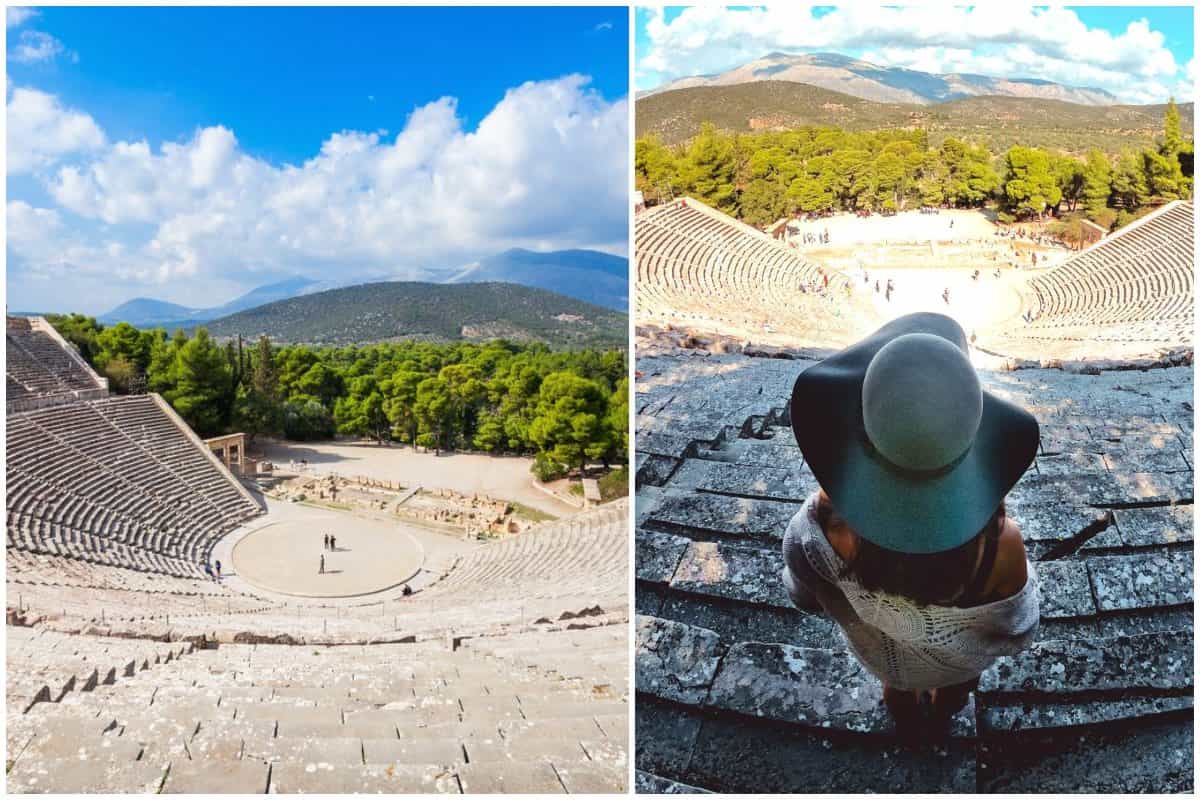 Situated at the Sanctuary of Asclepius, the Ancient Theatre of Epidaurus is one of the major venues for the annual Athens and Epidaurus Festival. It was built as a part of this sanctuary that was dedicated to Asclepius, the God of Medicine.
At this place, various poetry, music, and athletic contests were known to be conducted in the honor of God. To the west of a mountain near Lygourio, this theatre was built into a natural hollow and had the capacity of seating around 14,000 people.
Situated at the Sanctuary of Asclepius, the Ancient Theatre of Epidaurus is one of the major venues for the annual Athens and Epidaurus Festival. It was built as a part of this sanctuary that was dedicated to Asclepius, the God of Medicine.
At this place, various poetry, music, and athletic contests were known to be conducted in the honor of God. To the west of a mountain near Lygourio, this theatre was built into a natural hollow and had the capacity of seating around 14,000 people.
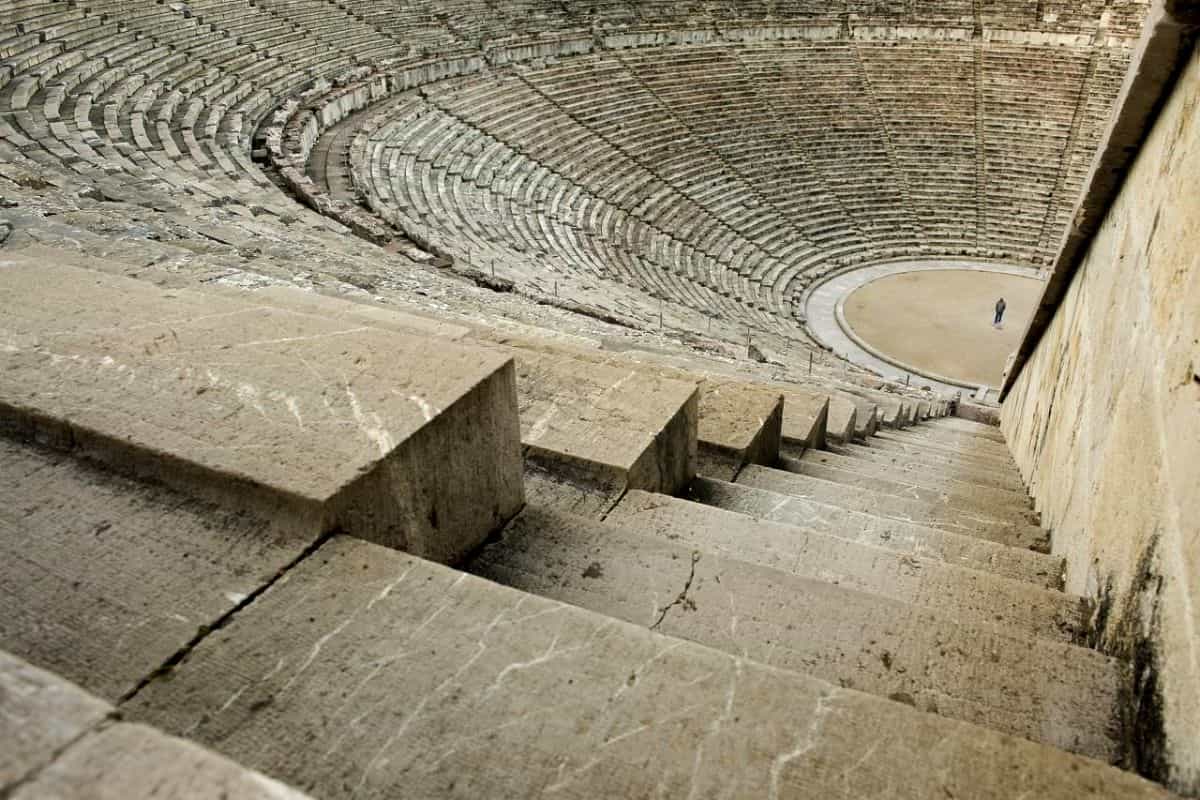 Get astounded by the sound effect from the circular orchestra pit as you whisper to your friend sitting in the upper tier. It will be absolutely clear.
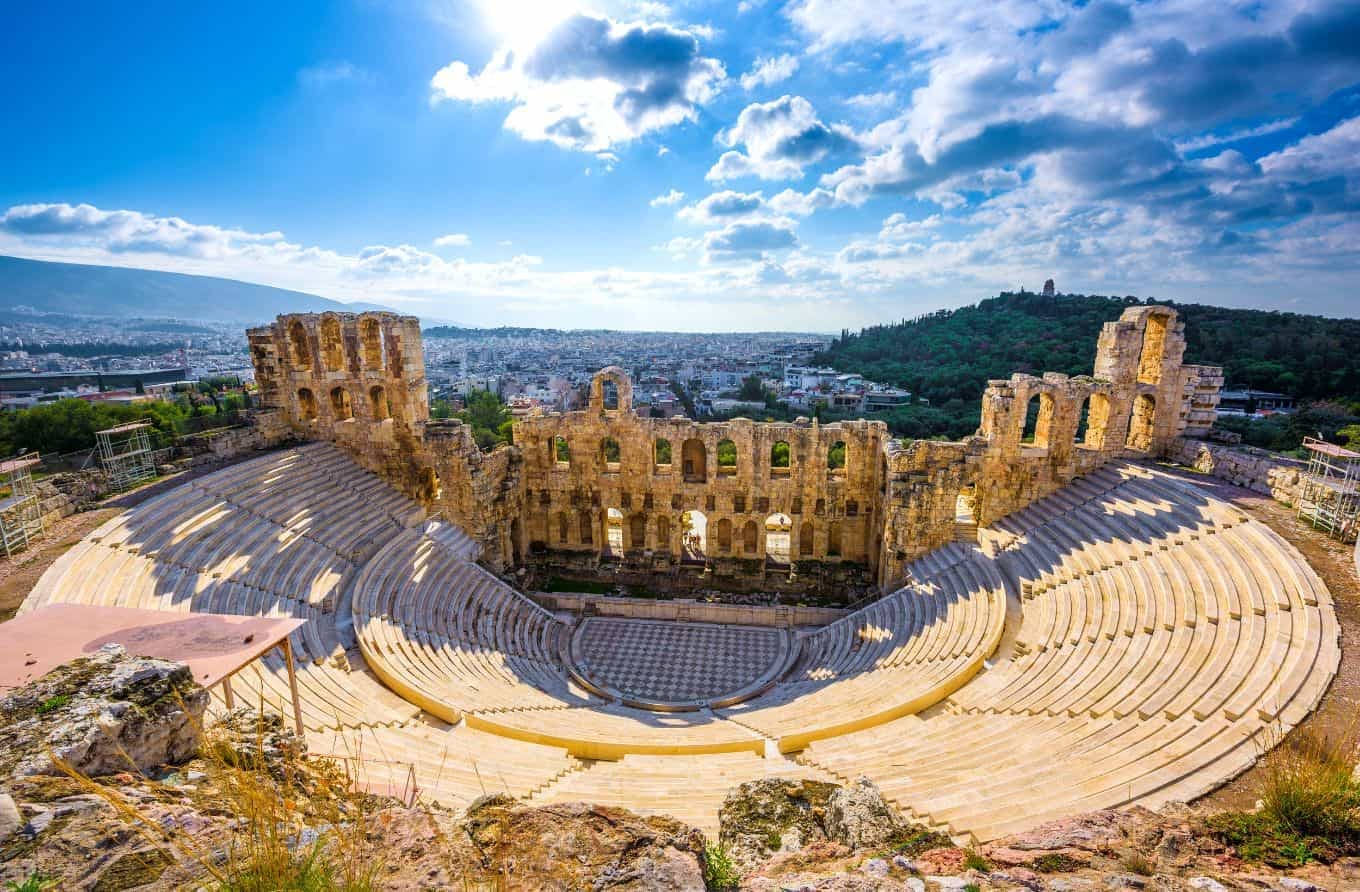
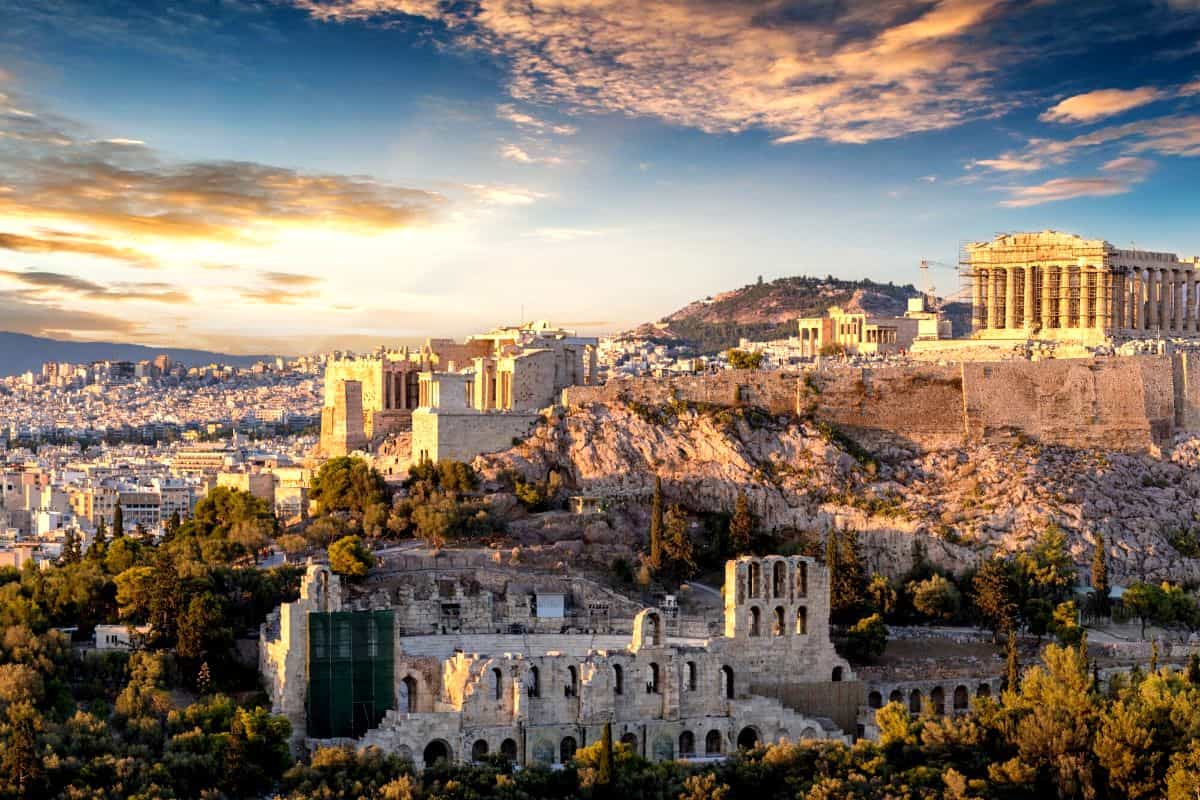
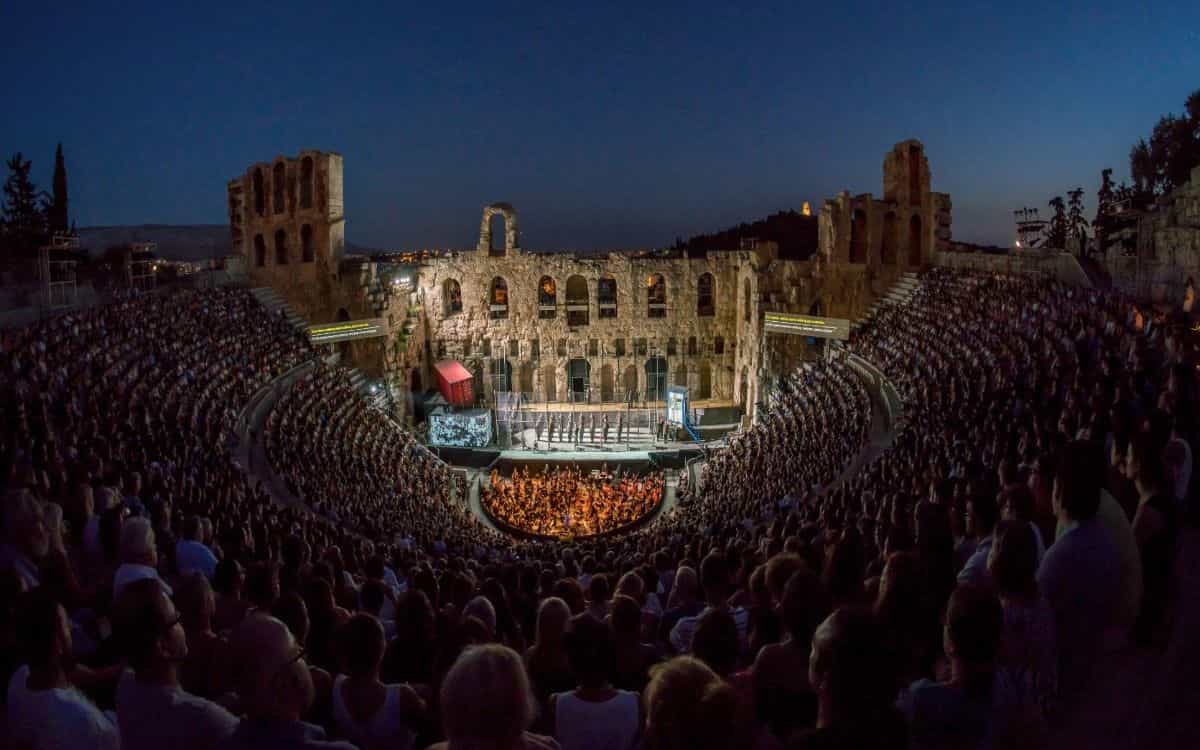
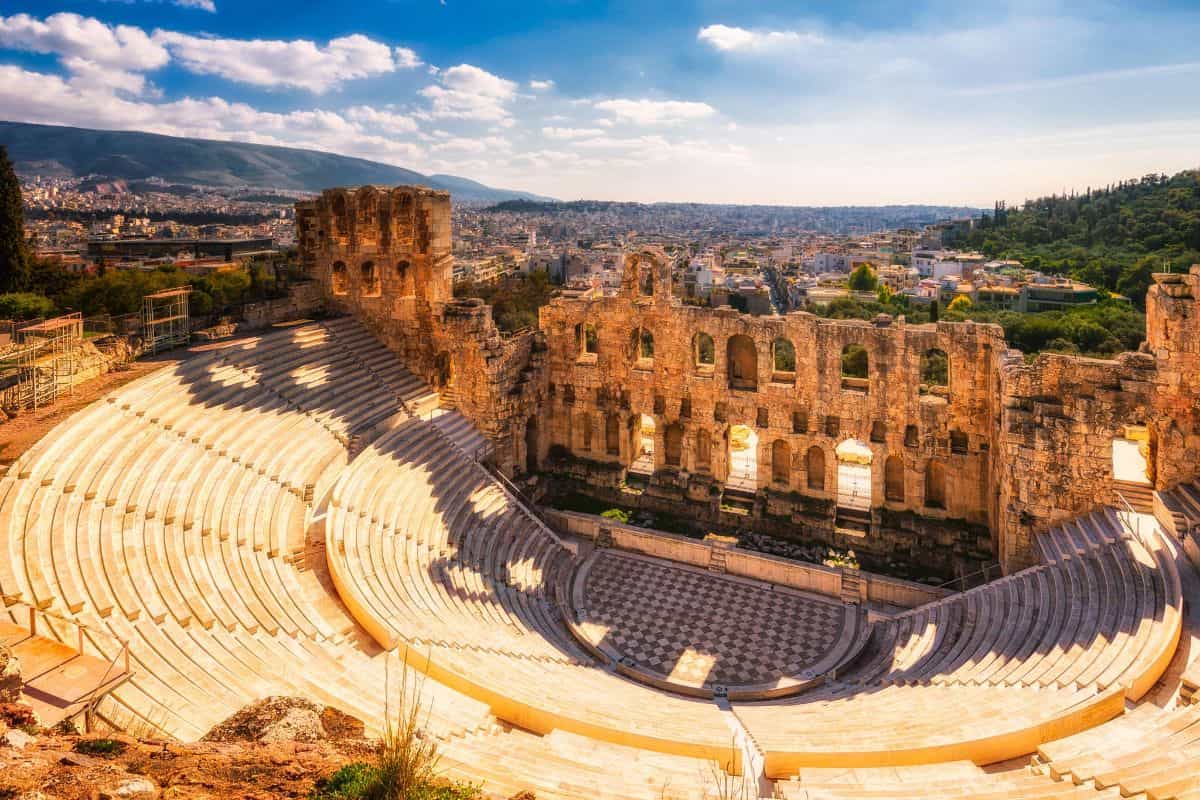 This is counted among the most significant sacred sites in Athens. This used to be the gathering place in ancient times where all the rituals were held. The south slope has three ancient theatres and the Odeon of Herodes Atticus is the only one that's open to performances. Among locals, it's known as the Herodian.
It is said to be built in the Roman era between 160 and 174 AD and disappeared under the earth. Later, it was rediscovered and restored in the 19th and 20th centuries. It was in fact, used for various drama and music festivals during War days even before its restorations. It was totally restored and reconstructed in the 1950s.
This is counted among the most significant sacred sites in Athens. This used to be the gathering place in ancient times where all the rituals were held. The south slope has three ancient theatres and the Odeon of Herodes Atticus is the only one that's open to performances. Among locals, it's known as the Herodian.
It is said to be built in the Roman era between 160 and 174 AD and disappeared under the earth. Later, it was rediscovered and restored in the 19th and 20th centuries. It was in fact, used for various drama and music festivals during War days even before its restorations. It was totally restored and reconstructed in the 1950s.
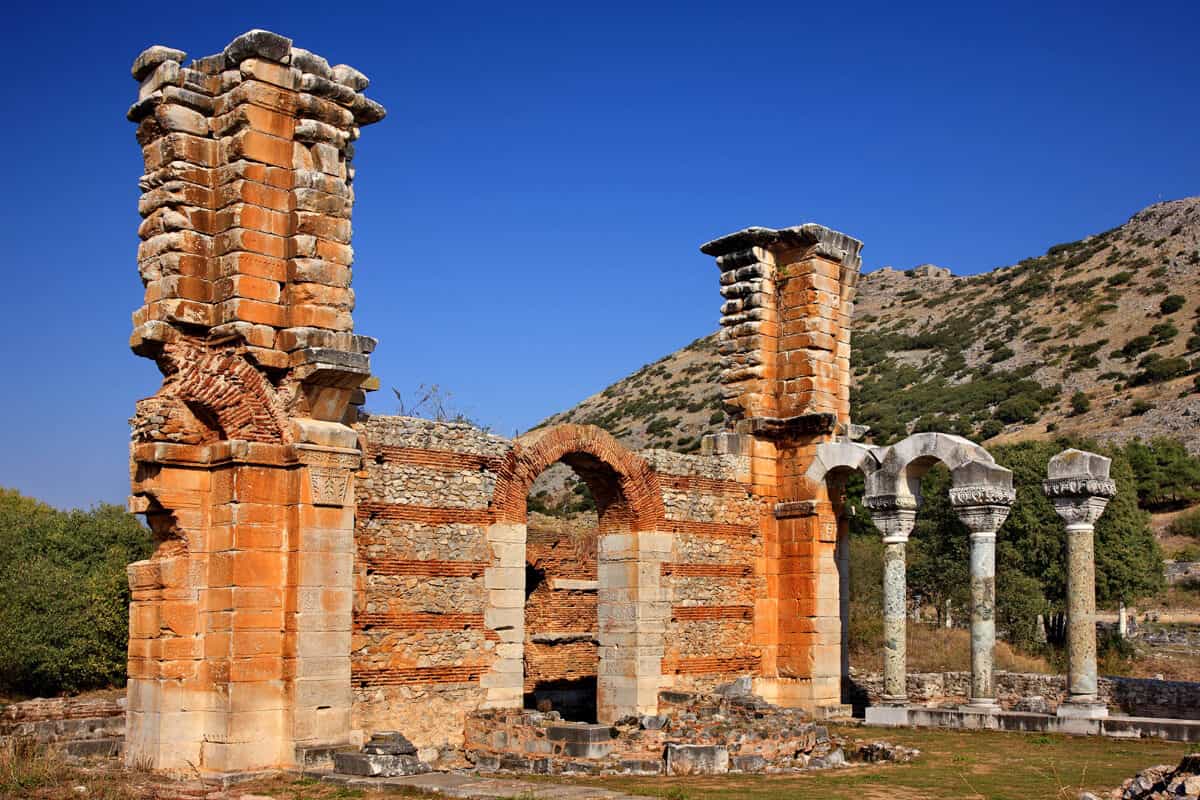
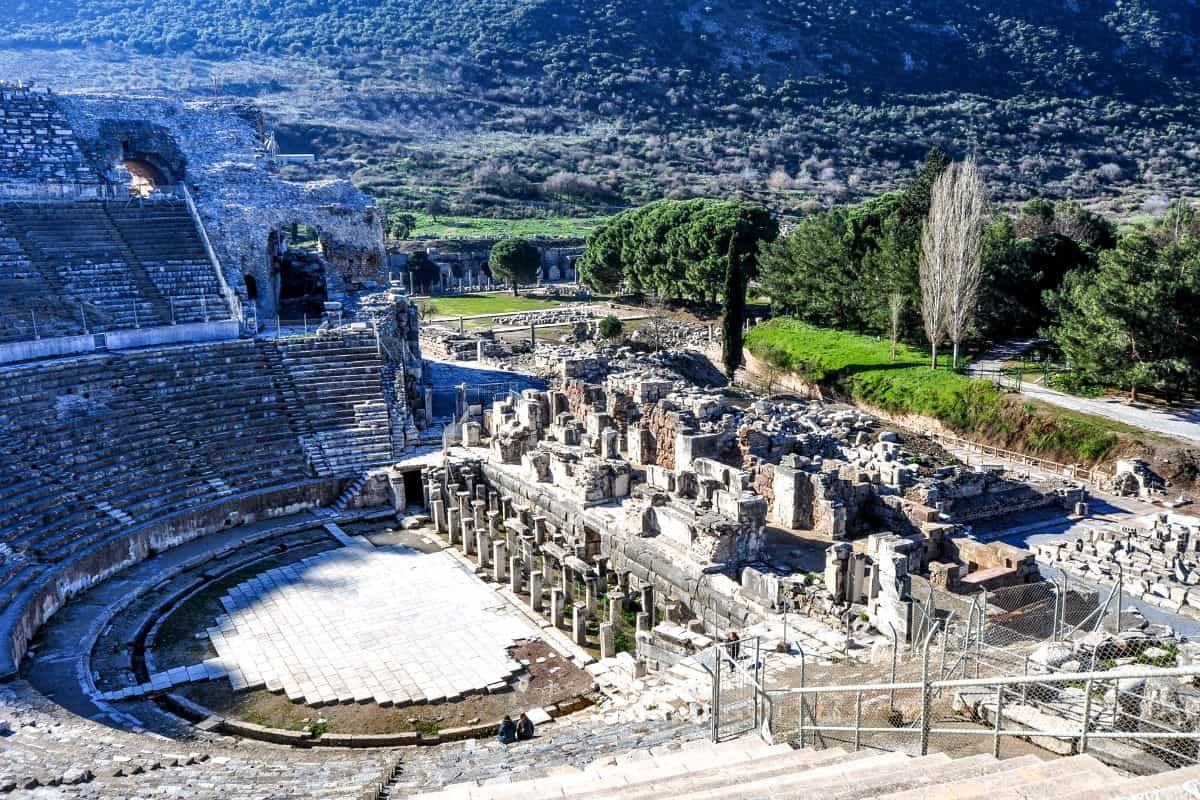 Situated in the extreme corner of Northeastern Greece, The Ancient Theatre of Philippi was founded by King Philippi II the father of Alexander the Great. It then turned into an early Christian settlement and an important Roman city.
In 49 or 50 AD, St. Paul used to preach the Philippians. This theatre is a part of a major UNESCO World Heritage Site that is located about 16 kilometers from the city Kavala.
Situated in the extreme corner of Northeastern Greece, The Ancient Theatre of Philippi was founded by King Philippi II the father of Alexander the Great. It then turned into an early Christian settlement and an important Roman city.
In 49 or 50 AD, St. Paul used to preach the Philippians. This theatre is a part of a major UNESCO World Heritage Site that is located about 16 kilometers from the city Kavala.
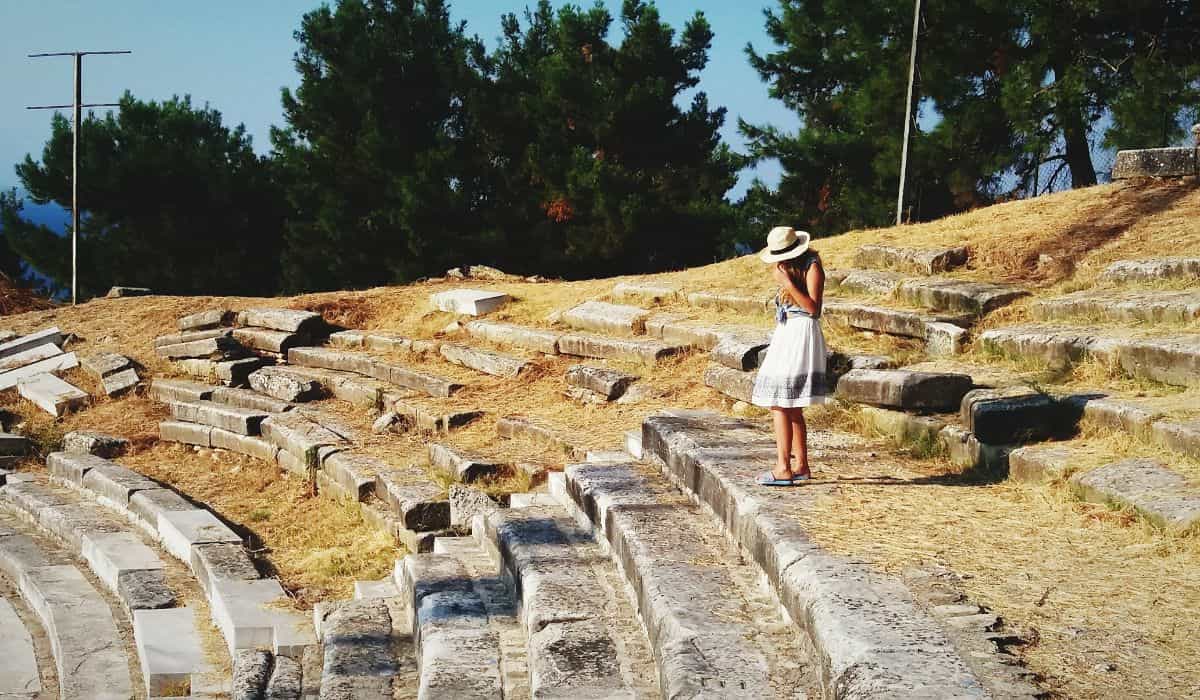 This theatre is situated on the island of Thassos in the Northern Aegean Sea. It is said to date back to the 5th century BC. Most of the time, it's still under excavation and repair and not open to the public always.
However, it is used for smaller events like the Philipi and Thassos Festival. Next to the island's acropolis in the town of Limenaria, you will have to cross a steep climb above the island harbor to reach here.
This theatre is situated on the island of Thassos in the Northern Aegean Sea. It is said to date back to the 5th century BC. Most of the time, it's still under excavation and repair and not open to the public always.
However, it is used for smaller events like the Philipi and Thassos Festival. Next to the island's acropolis in the town of Limenaria, you will have to cross a steep climb above the island harbor to reach here.
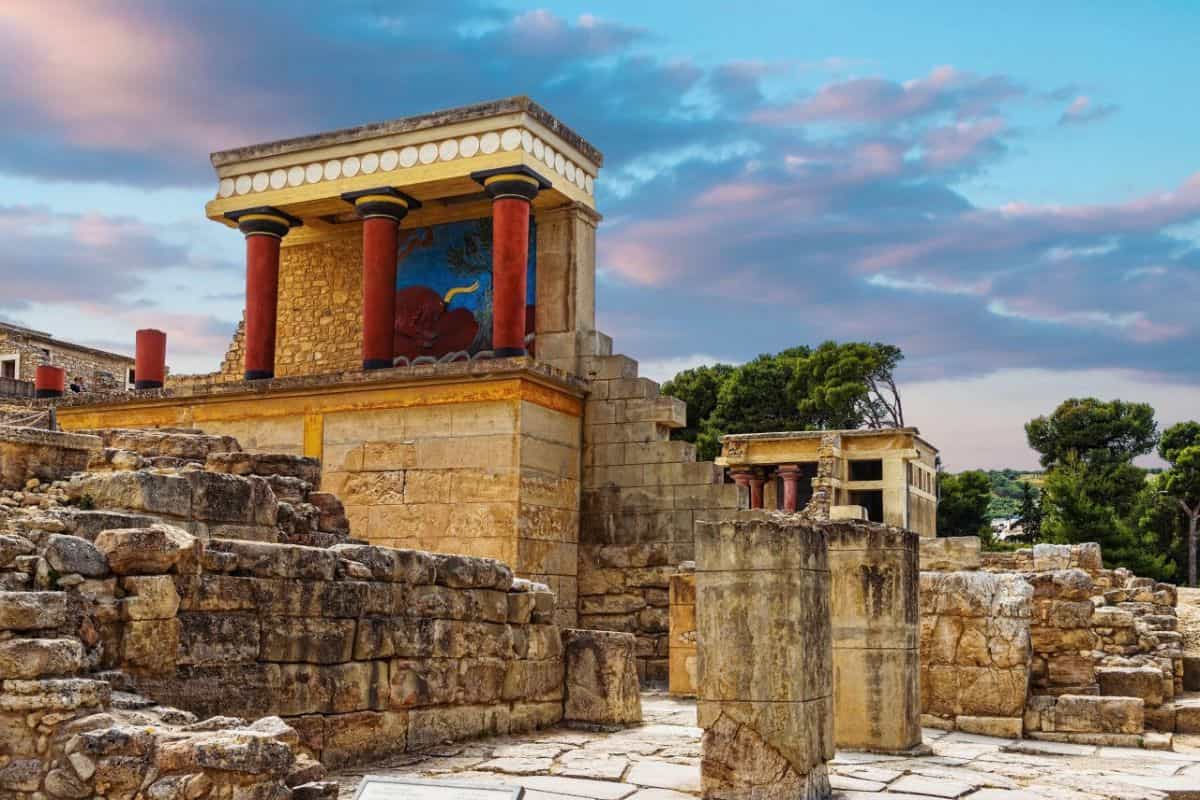 This theatre is situated on the outskirts of the town Dion near Thessaloniki. Although it was discovered in the 19th century, the systematic excavations started here during the 1970s. This ancient Greek theatre is a part of the Dion Archeological Park that holds on to ancient ruins, dating centuries back.
The University of Thessaloniki has been conducting various excavations here since 1982. Not only the theatre but there are also shrines to Demeter, Zeus, Olympian Zeus, and Isis. To the southwest, you would find Mount Olympus.
This theatre is situated on the outskirts of the town Dion near Thessaloniki. Although it was discovered in the 19th century, the systematic excavations started here during the 1970s. This ancient Greek theatre is a part of the Dion Archeological Park that holds on to ancient ruins, dating centuries back.
The University of Thessaloniki has been conducting various excavations here since 1982. Not only the theatre but there are also shrines to Demeter, Zeus, Olympian Zeus, and Isis. To the southwest, you would find Mount Olympus.

